Source Universal Magsafe Car Phone Holder for Dashboard, Vent, and Desk
Find and compare 30 universal magsafe car phone holder options from verified Chinese manufacturers. Evaluate magnetic strength, installation methods, and customization features to select the ideal mount for your automotive or office needs.
Key considerations
Products List




Comprehensive Sourcing Guide
Universal MagSafe Car Phone Holder Sourcing Guide
Sourcing magnetic phone mounts for automotive use requires a careful balance between holding power, vehicle compatibility, and aesthetic integration. The market for these devices is broad, ranging from simple adhesive clips to sophisticated air-vent mounts that utilize strong neodymium magnets. Buyers must distinguish between products that rely on adhesive backing for flat surfaces and those designed specifically for the structured airflow of car vents. Understanding these mechanical differences is the first step in defining a procurement specification that meets end-user expectations for stability and ease of use.
The term "MagSafe" often implies a specific magnetic alignment system, but in the broader automotive accessory market, it frequently refers to any strong magnetic holder that may or may not be compatible with Apple’s proprietary MagSafe ecosystem. Procurement teams need to clarify whether the target product requires built-in magnetic rings for direct attachment or if it includes adhesive metal plates for non-magnetic devices. This distinction affects the bill of materials, packaging complexity, and the final user experience, making it a critical decision point during the initial sourcing phase.
Product Scope and Observed Listing Signals
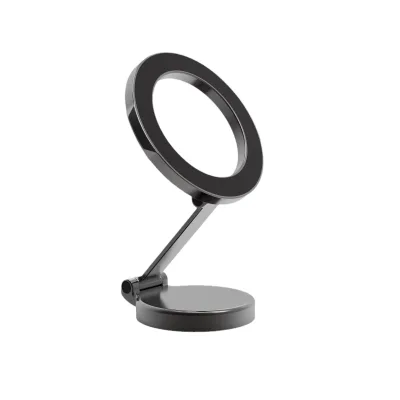
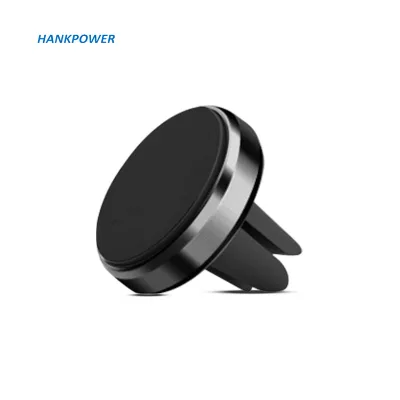
Current market listings indicate a wide variety of form factors, with a significant portion of available products categorized as "Holder Only" units that require separate accessories or specific phone cases for operation. The observed product range includes models designed for air outlets, which leverage the vehicle’s ventilation slats for secure mounting without obstructing the driver’s view. These units often feature stick-on installation methods for alternative flat surfaces, providing versatility for users who may wish to mount their devices on dashboards or other interior panels where vents are not suitable.
Color options and material compositions vary considerably across suppliers, with black and silver being the most common finishes to match modern vehicle interiors. Materials range from durable metals to high-impact plastics, with some listings highlighting specific weight specifications such as 30g or 60g to indicate portability and build quality. Buyers should note that while many products claim compatibility with all mobile phones, this often necessitates the inclusion of metal plates or specific magnetic cases, which may or may not be included in the standard packaging.
Technical Specifications to Verify
When evaluating technical specifications, the mounting mechanism is the primary factor determining product suitability. Buyers must verify whether the holder utilizes a clip mechanism for air vents or an adhesive pad for flat surfaces, as this dictates the installation method and potential damage risks to the vehicle interior. The rotation capability is another critical specification, with many modern holders offering 360-degree rotation to allow users to switch between portrait and landscape orientations seamlessly. This feature enhances usability but adds mechanical complexity that must be tested for long-term durability.
Magnetic strength and material composition are equally important technical considerations. Listings often highlight "stronger magnetic" features or specific metal constructions to assure buyers of holding power. However, the actual performance depends on the grade of magnet used and the structural integrity of the holder’s body. Buyers should request detailed specifications regarding the magnetic pull force and the type of metal alloy used in the holder’s construction to ensure it can securely hold heavier smartphones without slipping, especially during sudden stops or turns.
Compliance and Safety Documentation
Regulatory compliance is a non-negotiable aspect of importing automotive accessories, particularly those involving adhesives and electronic components. Certifications such as ISO and RoHS are frequently cited in product listings, indicating adherence to quality management systems and restrictions on hazardous substances. Buyers must verify the validity of these certifications with the issuing bodies, as self-declared compliance does not guarantee that the products have undergone rigorous third-party testing. Ensuring that the materials used in the holder, including any adhesives, are free from harmful chemicals is essential for meeting international safety standards.
In addition to material safety, buyers should consider the potential impact of the product on vehicle safety systems. While magnetic holders generally do not interfere with airbags, their placement near sensors or cameras must be carefully evaluated. Documentation should include clear instructions on proper installation to prevent obstruction of the driver’s view or interference with vehicle electronics. Buyers should also inquire about any specific testing performed to ensure the holder remains stable under various temperature conditions, as extreme heat or cold can affect adhesive performance and magnetic strength.
Cost Drivers and Commercial Terms
The cost of universal magnetic car phone holders is influenced by several factors, including material quality, customization options, and order volume. Observed price ranges in the market vary significantly, reflecting differences in manufacturing complexity and brand positioning. Buyers should be aware that lower prices may correlate with reduced magnetic strength or less durable materials, while higher prices often include premium features such as enhanced rotation mechanisms or branded packaging. Understanding these cost drivers helps in setting realistic budget expectations and negotiating favorable terms with suppliers.
Minimum Order Quantities (MOQs) and packaging details are key commercial terms that impact procurement strategy. MOQs can range from small quantities for sampling to large volumes for mass production, with some suppliers offering flexible terms for customized orders. Packaging options also vary, with standard packaging being the most common, but customized packaging available for brands seeking to enhance their product presentation. Buyers should clarify these terms early in the negotiation process to avoid unexpected costs or logistical challenges during the fulfillment phase.
Supplier Qualification and Quality Control
Selecting a reliable supplier involves more than just comparing prices; it requires a thorough assessment of their manufacturing capabilities and quality control processes. Buyers should prioritize suppliers who demonstrate transparency in their production processes and provide detailed information about their quality assurance protocols. This includes verifying the supplier’s ability to maintain consistent product quality across large production runs and their responsiveness to quality issues. Suppliers located in regions known for electronics manufacturing, such as Guangdong, China, often have established supply chains and expertise in producing high-quality automotive accessories.
Quality control measures should include pre-shipment inspections to ensure that the products meet the agreed-upon specifications. Buyers should request samples to test the magnetic strength, rotation smoothness, and overall build quality before committing to large orders. Additionally, establishing clear communication channels with the supplier for addressing any defects or discrepancies is crucial for maintaining product integrity. Buyers should also consider the supplier’s ability to provide customized solutions, such as specific colors or logos, to meet unique market demands.
Long-Term Procurement Checks
Sourcing universal magnetic car phone holders is not a one-time transaction but an ongoing process that requires continuous monitoring and evaluation. Buyers should regularly review supplier performance metrics, including on-time delivery rates, product quality consistency, and responsiveness to customer feedback. This ongoing assessment helps in identifying potential issues early and maintaining a reliable supply chain. Additionally, staying informed about market trends and technological advancements in the automotive accessory sector can help buyers make informed decisions about product updates and improvements.
As consumer preferences evolve, buyers must be prepared to adapt their procurement strategies to meet changing demands. This may involve exploring new materials, designs, or features that enhance user experience and product durability. Building strong relationships with suppliers who are committed to innovation and quality can provide a competitive advantage in the market. By maintaining a proactive approach to supplier management and product development, buyers can ensure that their offerings remain relevant and appealing to end-users in the long term.
FAQs
What models are available for universal magsafe car phone holders?
Several models are available including CMG02, CM18, CX16, CC17, CG703, CWA-160, ULZ-0318109, HY-W3, HY-S13, HY-A3, PAH-2234, PAH-2329, and A530. These options cater to different mounting needs and design preferences. Buyers can select specific models based on required features such as magnetic strength or rotation capabilities for their specific application.
Can these holders be customized for branding and packaging?
Yes, customization is available for color, logo, and packaging. Products can be produced in standard packaging or customized boxes. Some models offer standard specifications while others allow for customized standards. This flexibility supports private labeling and specific branding requirements for B2B buyers looking to establish a unique market presence.
What certifications do these car phone holders meet?
Certifications include ISO and RoHS standards. These credentials ensure compliance with international quality and environmental regulations. Buyers requiring specific regulatory documentation for import or distribution can verify these certifications. The products are designed to meet standard specifications or customized standards depending on the model and buyer requirements.
Where are these universal magsafe car phone holders manufactured?
Manufacturing locations include Guangdong, Shenzhen, and Guangzhou in China. These regions are known for electronics and accessory production. Buyers can source products from these specific origins. The geographic concentration allows for efficient logistics and supply chain management for international orders.
What materials are used in these magnetic holders?
Materials include metal construction for durability and strength. Some models feature magnetic functionality for secure phone attachment. The use of metal ensures longevity and stability during vehicle use. Buyers can choose based on weight and material preferences, with options ranging from 30g to 60g net weight.
How do these holders install in a vehicle?
Installation is typically stick-on, designed for air outlets or flat surfaces. This method allows for easy placement without complex tools. The holders are compatible with all mobile phones and PDAs. This versatile installation method supports use in cars, homes, or offices on various flat surfaces.